you position:Home > us stock market today live cha >
Title: Current CAPE Ratio: A Comprehensive Analysis of US Stocks
date:2026-01-19 19:20author:myandytimeviewers(65)
Current(10)CAPE(1)ratio(2)Compr(4)Title(9)
The CAPE Ratio, also known as the Cyclically Adjusted Price-to-Earnings Ratio, is a key indicator that investors use to gauge the valuation of the stock market. This ratio is particularly relevant when analyzing the performance and potential of US stocks. In this article, we delve into the current CAPE Ratio for US stocks, examining its implications and providing insights into the market's future direction.
Understanding the CAPE Ratio
The CAPE Ratio is calculated by dividing the total market value of all stocks by the average earnings of the companies over the past ten years. This metric takes into account the cyclicality of the economy, adjusting for inflation and other factors that can affect earnings. A high CAPE Ratio indicates that the market is overvalued, while a low CAPE Ratio suggests that the market is undervalued.
Current CAPE Ratio for US Stocks
As of the latest data available, the CAPE Ratio for US stocks stands at around 30.6. This figure is higher than the long-term average of approximately 20, indicating that the market is currently overvalued. However, it is important to note that the CAPE Ratio can fluctuate significantly over time, making it crucial to consider other factors when evaluating the market's overall health.
Implications of the Current CAPE Ratio
An overvalued market can be risky for investors, as it suggests that stock prices may have reached unsustainable levels. This can lead to a potential correction or bear market in the future. However, it is essential to recognize that the CAPE Ratio is just one indicator among many. Other factors, such as economic growth, corporate earnings, and monetary policy, can also influence the market's direction.
Case Study: The Tech Sector
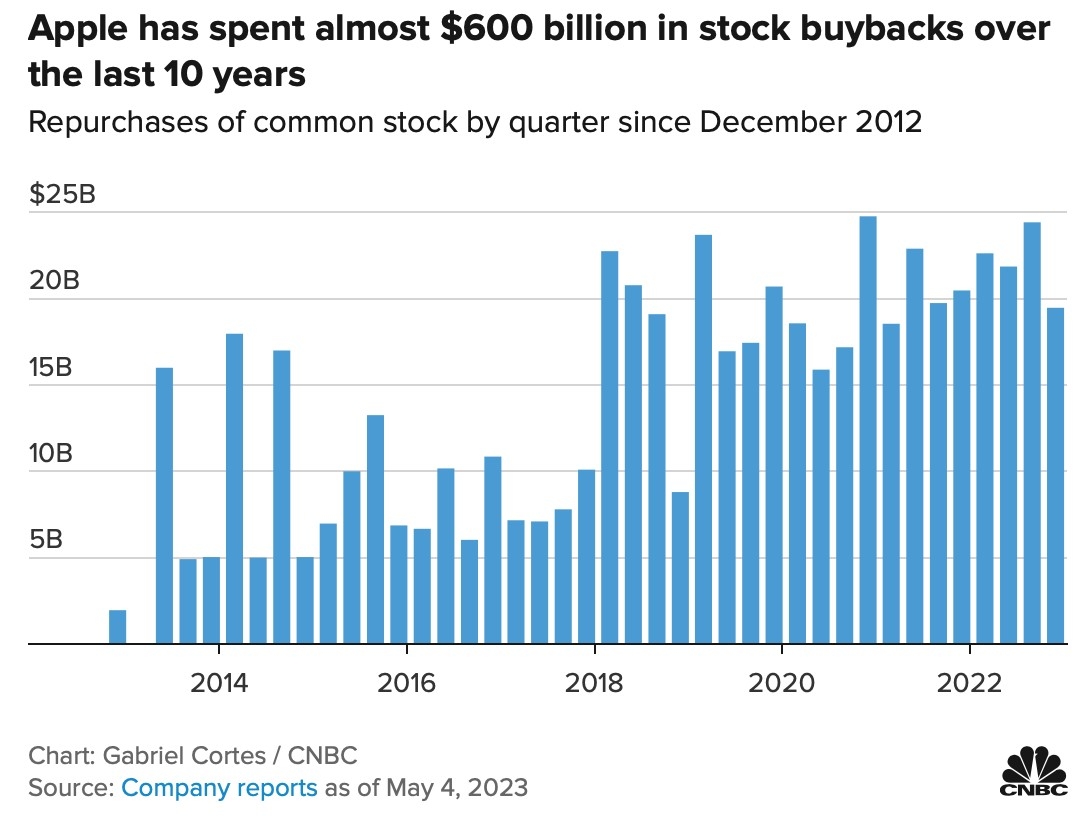
The tech sector has been a significant driver of the current CAPE Ratio, with companies like Apple, Microsoft, and Amazon contributing to the overall valuation. While the tech sector has experienced significant growth over the past decade, its current valuation may not be sustainable in the long term. Investors should be cautious when allocating capital to this sector and consider the potential risks associated with an overvalued market.
Diversification as a Strategy
In light of the current CAPE Ratio, diversification can be a crucial strategy for investors. By spreading investments across various sectors and asset classes, investors can reduce their exposure to market risks and capitalize on opportunities in undervalued sectors. This approach can help mitigate the potential negative impact of an overvalued market.
Conclusion
The current CAPE Ratio for US stocks indicates that the market is overvalued. While this presents potential risks for investors, it is essential to consider other factors and maintain a diversified investment strategy. By staying informed and adapting to market conditions, investors can make informed decisions and navigate the complexities of the stock market.
Note: The data used in this article is for illustrative purposes only and should not be considered investment advice.
us stock market today live cha