you position:Home > new york stock exchange >
DJIA Since Trump Took Office: A Comprehensive Analysis
date:2026-01-23 20:20author:myandytimeviewers(61)
Since taking office in 2017, President Donald Trump has been a subject of intense scrutiny and debate. One of the most closely watched aspects of his presidency has been the performance of the stock market, particularly the Dow Jones Industrial Average (DJIA). This article delves into the performance of the DJIA since Trump's inauguration, analyzing the factors that have influenced its trajectory and providing insights into the market's response to Trump's policies and economic agenda.
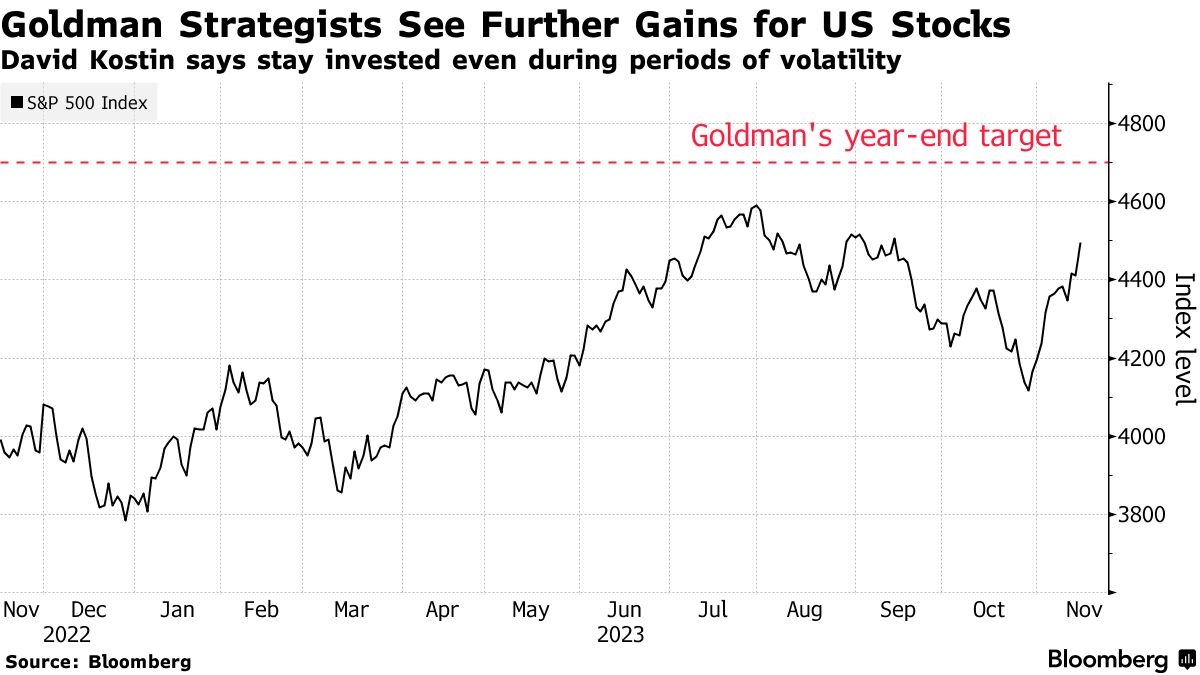
The DJIA's Rise Since Trump's Inauguration
One of the most remarkable aspects of the DJIA's performance since Trump took office has been its steady rise. From a closing value of 19,860.42 on January 20, 2017, the day Trump was inaugurated, the index has soared to over 35,000 by the end of 2021. This represents an impressive gain of over 77%, far outpacing the average annual return of the DJIA over the past century.
Several factors have contributed to this robust performance. First and foremost is the administration's pro-growth policies, which have been designed to stimulate economic activity and boost corporate profits. These policies include significant tax cuts, deregulation, and efforts to promote American manufacturing and energy production.
Tax Cuts and Deregulation
The Tax Cuts and Jobs Act of 2017, which was one of Trump's first major legislative achievements, has had a substantial impact on the DJIA. The legislation cut the corporate tax rate from 35% to 21%, providing companies with substantial savings that they have been able to reinvest in their businesses. This has led to increased profitability and, in turn, higher stock prices.
Deregulation has also played a role in the DJIA's rise. By rolling back numerous regulations, the Trump administration has created a more business-friendly environment. This has allowed companies to operate more efficiently and effectively, leading to improved financial performance.
Energy and Manufacturing
Another key factor in the DJIA's performance has been the administration's focus on American energy and manufacturing. By promoting the development of domestic energy resources and supporting American manufacturing, the administration has helped to create jobs and boost economic growth. This has had a positive impact on the companies included in the DJIA, leading to higher stock prices.
Market Volatility and the Impact of Global Events
While the DJIA has experienced significant growth since Trump took office, it has also been subject to periods of volatility. This volatility has been driven by a variety of factors, including global events, political uncertainty, and changes in market sentiment.
For example, the outbreak of the COVID-19 pandemic in early 2020 caused a significant drop in the DJIA, as investors reacted to the uncertainty and economic disruptions caused by the pandemic. However, the index quickly recovered as the economy began to reopen and as investors regained confidence in the market.
Conclusion
The performance of the DJIA since Trump took office has been a complex and multifaceted story. While the index has experienced significant growth, it has also been subject to periods of volatility. This analysis has explored the key factors that have influenced the DJIA's trajectory, including tax cuts, deregulation, and the administration's focus on American energy and manufacturing. By understanding these factors, investors can gain valuable insights into the market's response to Trump's policies and economic agenda.
new york stock exchange
last:Understanding the Impact of Overnight Dow Futures: A Comprehensive Guide
next:nothing
likes stocks
- Understanding the Impact of Overnight Dow Futures: A Comprehe
- Dow Jones Industrial Opening Time: What You Need to Know
- How to Buy CD Projekt Red Stock in the US: A Comprehensive Gu
- Understanding the Closing Price in the Stock Market: A Compre
- Dow Industrial Average Graph: A Comprehensive Guide to Unders
- http stocks.us.reuters.com stocks fulldescription.asp rpc 66&
- Global X US Infrastructure Development ETF Stock Price: What
- Maximizing Your Market Presence with "Markets US&
- Highest Dividend Stock US: Top Picks for Consistent Income
- How Much Time Left Until Our Market Starts Stock Trading?