you position:Home > new york stock exchange >
Dow Jones Day Chart: Unveiling the Daily Financial Blueprint
date:2026-01-23 19:25author:myandytimeviewers(73)
- Price Movement: The chart displays the opening, closing, and high and low prices of the DJIA throughout the day.
- Volume: It also illustrates the trading volume, showcasing the number of shares traded during the day.
- Technical Indicators: The chart often includes technical indicators such as moving averages, RSI, and MACD, which help traders and investors analyze the market's direction.
- Market Sentiment: The chart reflects the overall market sentiment, allowing investors to gauge whether the market is bullish or bearish.
- Investment Decisions: It provides valuable insights for making informed investment decisions, helping investors align their portfolios with market trends.
- Risk Management: By analyzing the chart, investors can identify potential risks and opportunities, enabling them to adjust their strategies accordingly.
- Identify Trends: Look for patterns such as uptrends, downtrends, and sideways movements to understand the market's direction.
- Technical Indicators: Use indicators like moving averages, RSI, and MACD to confirm your analysis and identify potential entry and exit points.
- Volume Analysis: Pay attention to the trading volume, as it can indicate the strength of a trend. A significant increase in volume often suggests a strong trend.
In the fast-paced world of finance, staying ahead of the curve is crucial. The Dow Jones Day Chart serves as a vital tool for investors and analysts, offering a snapshot of the market's daily performance. This article delves into the intricacies of the Dow Jones Day Chart, exploring its significance, usage, and how it can aid in making informed investment decisions.
Understanding the Dow Jones Day Chart
The Dow Jones Day Chart is a visual representation of the Dow Jones Industrial Average (DJIA) over a single day. It tracks the performance of 30 large, publicly-owned companies in various industries, including financials, technology, and healthcare. This chart provides a clear picture of the market's mood, indicating whether it is experiencing a bullish or bearish trend.
Key Features of the Dow Jones Day Chart
Why is the Dow Jones Day Chart Important?
How to Analyze the Dow Jones Day Chart
Case Study: Dow Jones Day Chart in Action
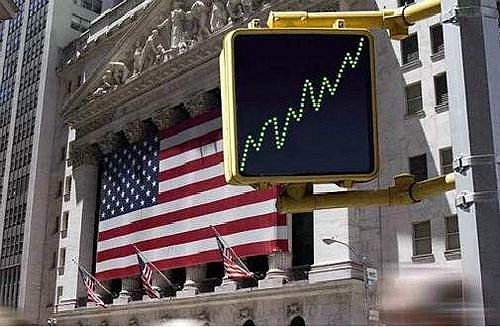
Let's consider a scenario where the Dow Jones Day Chart shows a strong uptrend with increasing volume. This indicates that the market is bullish, and investors may consider buying stocks or adding to their positions. Conversely, if the chart shows a downtrend with decreasing volume, it suggests a bearish market, and investors may want to sell or avoid taking on new positions.
Conclusion
The Dow Jones Day Chart is a powerful tool for understanding the market's daily performance. By analyzing its key features and indicators, investors can make informed decisions and manage their portfolios effectively. Keep an eye on the Dow Jones Day Chart to stay ahead in the dynamic world of finance.
new york stock exchange
likes stocks
- CNN Market News: Your Ultimate Guide to Financial Insights an
- Dow Jones US Total Stock Market Float: A Comprehensive Guide&
- Hong Kong Stock Exchange US Hours: A Comprehensive Guide
- US Bank Stock Buyback: Maximizing Returns and Enhancing Share
- June 25, 2025: US Stock Market Summary
- Current Recommended US Stocks: Top Picks for 2023
- MSN US Money: Unveiling the Best Financial Tips and Strategie
- Dow Jones Index: What CNN Money Has to Say About This Financi
- Dow Jones Newsletter: Your Ultimate Resource for Financial Ne
- Business Yahoo: Revolutionizing Online Business Solutions