you position:Home > new york stock exchange >
Navigating Market Averages: A Comprehensive Guide
date:2026-01-23 19:52author:myandytimeviewers(91)
- Gathering Data: Collecting the current prices of all the stocks or securities in the index.
- Calculating the Sum: Adding up the prices of all the stocks or securities.
- Dividing by the Number of Stocks: Dividing the sum by the total number of stocks or securities in the index.
- Adjusting for Dividends and Stock Splits: Making adjustments for dividends and stock splits to ensure accuracy.
- Market Performance Indicators: Market averages provide a quick and easy way to gauge the overall performance of a market. For instance, if the S&P 500 is rising, it indicates that the broader market is performing well.
- Investment Strategy: Investors often use market averages to inform their investment strategies. By understanding the performance of market averages, investors can make more informed decisions about where to allocate their capital.
- Comparative Analysis: Market averages allow investors to compare the performance of different sectors or companies within a market. This can help investors identify areas of strength and weakness.
- S&P 500: The S&P 500 is one of the most widely followed market averages. It represents the performance of 500 large companies in the U.S.
- Dow Jones Industrial Average: The Dow Jones tracks the performance of 30 large companies listed on the New York Stock Exchange or NASDAQ.
- NASDAQ Composite: The NASDAQ Composite tracks the performance of all companies listed on the NASDAQ.
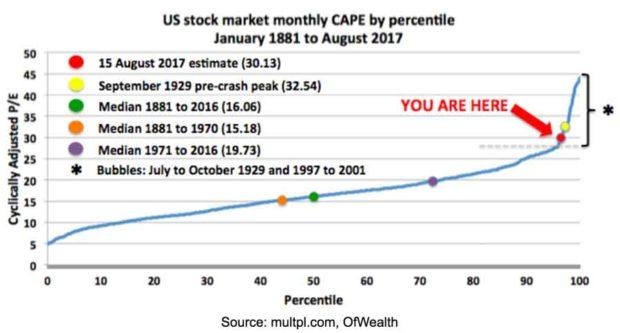
- The Tech Bubble of 2000: During the late 1990s, the NASDAQ Composite skyrocketed as investors flocked to tech stocks. However, the bubble burst in 2000, and the NASDAQ Composite fell sharply. This case study illustrates the importance of monitoring market averages to avoid overvaluation.
- The Great Recession of 2008: The S&P 500 experienced a significant decline during the financial crisis of 2008. This serves as a reminder of the potential risks in the market and the need to stay informed about market averages.
In the dynamic world of finance, understanding market averages is crucial for investors, traders, and analysts. Market averages, such as the S&P 500 or the Dow Jones Industrial Average, provide a snapshot of the overall health and performance of a market. This article delves into what market averages are, how they are calculated, and why they matter for investors.
What Are Market Averages?
Market averages are calculated by taking the sum of the prices of all stocks or securities in a specific market and dividing that sum by the total number of stocks or securities. For instance, the S&P 500 is a market average that tracks the performance of 500 large companies listed on the New York Stock Exchange or NASDAQ.
How Are Market Averages Calculated?
The calculation of market averages can vary depending on the specific index. However, the general process involves:
Why Do Market Averages Matter?
Key Market Averages to Watch
Case Studies
In conclusion, understanding market averages is essential for anyone involved in the financial markets. By monitoring these averages, investors can gain valuable insights into market trends and make more informed investment decisions.
new york stock exchange
last:Fin Daily: Unveiling the Latest Trends in Finance and Investment
next:nothing
likes stocks
- Fin Daily: Unveiling the Latest Trends in Finance and Investm
- Dow Jones at Closing Bell Today: A Comprehensive Look
- Legalize Us Stock Photo: A Comprehensive Guide to Unlocking C
- The Dynamic World of New York Stock Exchange Traders
- Best Momentum Stocks This Week: Large Cap US
- Gold Price: A Major Factor in the US Stock Market"
- Is the Market Close? Understanding Market Hours and Their Imp
- Dover Corporation US Stocks: A Comprehensive Guide to Investm
- Unlocking the Future of Trading: Your Ultimate Guide to NYSE
- Top Gainers Stock US: Unveiling the Best Performing Stocks in