you position:Home > new york stock exchange >
Unlock the Power of After-Hours Stock Charts: A Comprehensive Guide
date:2026-01-23 19:21author:myandytimeviewers(72)
- Stay Informed: After-hours stock charts provide investors with the latest information about a company's performance. This can help you make informed decisions about when to buy or sell.
- Identify Trends: By analyzing after-hours stock charts, you can identify trends that may not be apparent during regular trading hours. This can help you anticipate market movements and capitalize on potential opportunities.
- React Quickly: After-hours stock charts allow you to react quickly to market-moving events. For example, if a company releases positive earnings reports after the bell, its stock price may surge, and you can be one of the first to take advantage of this.
- Plan Your Trades: After-hours stock charts can help you plan your trades by providing a clear picture of a stock's performance during extended hours.
- Stock Price: The stock price is displayed on the vertical axis. Look for trends, support and resistance levels, and any significant price movements.
- Trading Volume: The trading volume is displayed on the horizontal axis. A high volume indicates that many shares are being traded, which can be a sign of significant market interest.
- Price Action: Analyze the price action to identify patterns, such as support and resistance levels, chart patterns, and candlestick formations.
In the fast-paced world of investing, staying ahead of the curve is crucial. One often-overlooked tool that can provide a significant edge is the after-hours stock chart. These charts offer valuable insights into a company's performance and market sentiment even when the regular trading day is over. In this comprehensive guide, we'll explore the significance of after-hours stock charts, how to read them, and provide real-world examples to illustrate their potential.
Understanding After-Hours Stock Charts
First, let's clarify what after-hours stock charts are. These charts display a company's stock price and trading volume during the hours after the regular market closes. While regular trading hours typically end at 4:00 PM Eastern Time, the after-hours market can extend until midnight or later. This extended period allows investors to react to important news, earnings reports, and other market-moving events that occur after the bell.
The Benefits of After-Hours Stock Charts
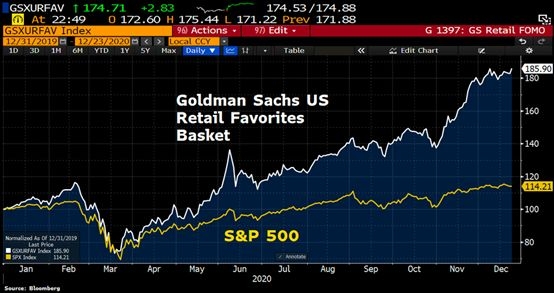
How to Read After-Hours Stock Charts
Reading an after-hours stock chart is similar to reading a regular stock chart. Here are some key elements to look for:
Real-World Examples
Let's look at a real-world example to illustrate the power of after-hours stock charts. In early 2020, tech giant Apple released its quarterly earnings report after the bell. The company reported better-than-expected earnings and revenue, sending its stock price soaring. Investors who followed the after-hours stock chart and acted quickly could have capitalized on this significant market movement.
Final Thoughts
After-hours stock charts are a valuable tool for investors looking to gain an edge in the market. By understanding how to read these charts and staying informed about market-moving events, you can make more informed decisions and potentially capitalize on opportunities. So, the next time you're analyzing a stock, don't forget to check out the after-hours stock chart for additional insights.
new york stock exchange
last:Unlocking Opportunities: A Deep Dive into US Over-the-Counter Stocks
next:nothing
likes stocks
- Unlocking Opportunities: A Deep Dive into US Over-the-Counter
- Market Movement Today: Key Insights and Analysis
- Symbol Stock Market: Mastering the Art of Trading with Symbol
- Nintendo US Stock Market: A Thriving Investment Frontier
- Dial Jones Industrial Average Today: Key Insights and Analysi
- Best US Stocks for Swing Trading: Top Picks to Maximize Gains
- Unlocking Financial Success with MSN MoneyCentral: Your Ultim
- Stocks History Chart: Decoding the Past for Future Investment
- Complete List of All US Stocks: Your Ultimate Guide to the St
- Reuters Financial News: Your Ultimate Source for Financial In