you position:Home > together stock >
Dow Jones Industrial After Hours: A Comprehensive Guide to Trading
date:2026-01-23 20:25author:myandytimeviewers(94)
- React to News: Many significant corporate announcements, earnings reports, and economic news are released after the regular trading day ends. Trading after hours allows investors to react immediately to this information.
- Market Volatility: The Dow Jones Industrial After Hours session can be particularly volatile, offering opportunities for traders to capitalize on price movements.
- No Slippage: In the regular trading session, large orders can cause slippage, leading to less favorable prices. After hours trading often has less liquidity, which can result in less slippage.
- Liquidity: Some stocks may have limited liquidity during the Dow Jones Industrial After Hours session, making it challenging to execute large orders without affecting the price.
- Volatility: The session can be particularly volatile, so it's important to have a solid risk management strategy in place.
- Market Hours: Remember that trading after hours is not the same as trading on weekends or holidays. The session is only available during specific hours after the regular trading day.
In the fast-paced world of finance, staying ahead of the curve is crucial for investors. One of the most significant indicators of market sentiment is the Dow Jones Industrial Average, often abbreviated as the DJIA. But what happens after the bell? This article delves into the world of Dow Jones Industrial After Hours trading, exploring its importance, how it works, and what it means for investors.
Understanding Dow Jones Industrial After Hours
The Dow Jones Industrial After Hours refers to the trading activity that occurs after the regular trading session on the New York Stock Exchange (NYSE) and the NASDAQ. This session typically begins around 4:00 PM Eastern Time and continues until 8:00 PM. It allows investors to trade stocks, including those that are part of the DJIA, outside of the regular trading hours.
Why Trade After Hours?
There are several reasons why investors might choose to trade during the Dow Jones Industrial After Hours session:
How to Trade Dow Jones Industrial After Hours
Trading during the Dow Jones Industrial After Hours session is similar to trading during regular hours. Investors can use their brokerage accounts to place orders for stocks that are part of the DJIA. However, it's important to note that the liquidity and volatility can be different, so it's crucial to stay informed and be prepared for potential rapid price movements.
Case Study: Apple Inc. (AAPL)
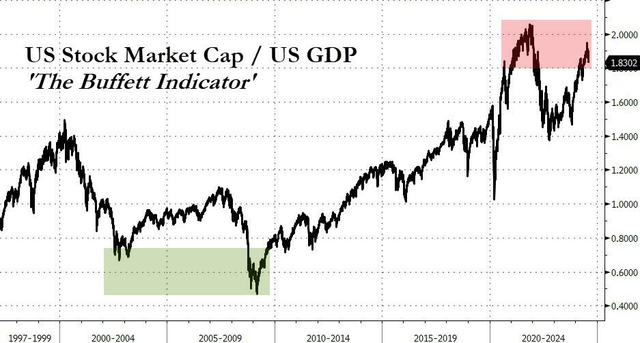
Consider a scenario where Apple Inc. (AAPL) releases its earnings report after the regular trading session. If the report is strong, the stock price might surge during the Dow Jones Industrial After Hours session. Investors who had been watching the stock could enter long positions or increase their holdings, anticipating further price gains in the regular trading session the next day.
Important Considerations
Conclusion
The Dow Jones Industrial After Hours session offers unique opportunities for investors to react to market-moving news and capitalize on potential price movements. While it comes with its own set of challenges, understanding how to trade during this session can be a valuable addition to any investor's toolkit. Whether you're a seasoned trader or just starting out, staying informed and prepared is key to making the most of the Dow Jones Industrial After Hours trading opportunities.
together stock
last:Investing in Indian Companies: A Guide to Buying US Stocks
next:nothing
likes stocks
- Investing in Indian Companies: A Guide to Buying US Stocks
- Maximizing Returns with Vox Stock: An In-Depth Analysis
- Nasdaq: ME - Revolutionizing the Financial Landscape
- Maximizing Returns: Top Strategies for Investing in U.S. Mini
- How to Buy Juventus Stock in the US: A Step-by-Step Guide
- Stock Futures for Today: A Comprehensive Guide to Understandi
- Fixed Income Weekly Commentary: Key Insights and Market Trend
- Unlocking the Future: The Ultimate Guide to Financial.com
- Best FMCG Stocks in US: Top Investments for 2023
- Unlock the Future: Mastering Stock Investment Prediction&