you position:Home > together stock >
Mastering the Art of Finance Charts: A Comprehensive Guide
date:2026-01-23 19:35author:myandytimeviewers(66)
In the fast-paced world of finance, staying ahead of the curve is crucial. One of the most powerful tools at your disposal is the finance chart. These visual representations of financial data offer a wealth of insights that can help investors make informed decisions. Whether you're a seasoned trader or a beginner looking to enter the market, understanding how to read and interpret finance charts is essential. This comprehensive guide will walk you through the basics, advanced techniques, and real-world examples to help you master the art of finance charts.
Understanding the Basics
Finance charts are typically used to track the performance of stocks, bonds, commodities, and other financial instruments over time. The most common types of finance charts include line charts, bar charts, and candlestick charts. Each type has its unique features and advantages, making them suitable for different types of analysis.
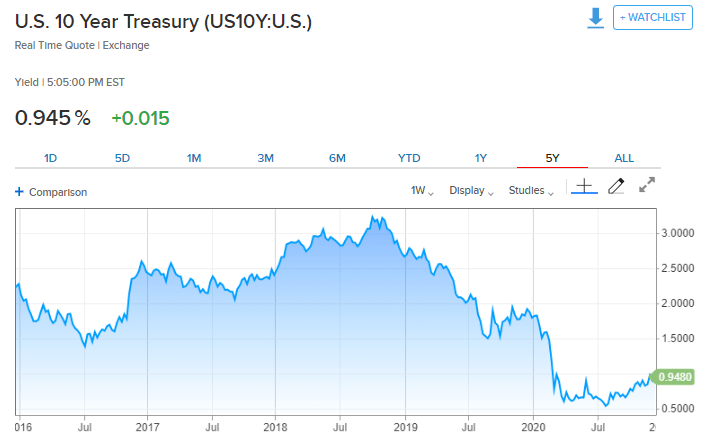
Line charts are the simplest form of finance charts. They connect the closing prices of a security over a specific period, providing a clear picture of its overall trend. This makes them ideal for identifying long-term trends and patterns.
Bar charts, also known as OHLC (open, high, low, close) charts, provide more detailed information than line charts. They show the opening and closing prices, as well as the highest and lowest prices reached during a given period. This makes them useful for identifying short-term trends and potential trading opportunities.
Candlestick charts are similar to bar charts but offer a more visually appealing and informative representation. Each candlestick represents a single trading day, with the body indicating the range between the opening and closing prices. Wicks represent the highest and lowest prices reached during the day.
Advanced Techniques
Once you have a basic understanding of finance charts, it's time to dive into more advanced techniques. These include:
*Trend Analysis: Identifying the direction in which a security is moving can help you make informed decisions about buying, selling, or holding. Techniques like moving averages and trend lines can help you determine whether a security is in an uptrend, downtrend, or sideways trend.
*Volume Analysis: Analyzing trading volume can provide valuable insights into market sentiment. For example, a sudden increase in volume may indicate that a trend is reversing or that a significant event is about to occur.
*Pattern Recognition: Many chart patterns, such as head and shoulders, triangles, and flags, have been identified over the years. Recognizing these patterns can help you predict future price movements.
Real-World Examples
To illustrate the power of finance charts, let's consider a hypothetical scenario. Imagine you're analyzing a stock that has been in a downtrend for several months. By using a line chart, you can see that the stock has been consistently falling. However, when you apply a trend line, you notice that the stock has formed a head and shoulders pattern, which is often a sign of a potential reversal. This information could help you make an informed decision about buying the stock.
Conclusion
Mastering the art of finance charts is a valuable skill for anyone involved in the financial markets. By understanding the basics, advanced techniques, and real-world examples, you can gain a competitive edge and make more informed decisions. Whether you're a beginner or an experienced investor, investing time in learning how to read and interpret finance charts is a worthwhile endeavor.
together stock
likes stocks
- Unlocking the Potential of US Small Value Stocks: A Strategic
- How to Buy Sberbank Stock in the US: A Step-by-Step Guide
- Stock Market 90 Days: A Comprehensive Guide to Understanding
- Angel Broking Invests in US Stocks: A Strategic Move for Glob
- Unlocking the Power of the Stock Economy: A Comprehensive Gui
- Unlock the Power of Professional Contact Us Stock Photos
- American Stock Market News Today: Key Developments and Analys
- Unlock the Power of the S&P 500 Stock Ticker Symbol
- August 24, 2025: US Stock Market News Roundup
- Nasdaq Stock Symbol Lookup: Your Ultimate Guide to Finding St