you position:Home > together stock >
Mastering the Art of Investing Stock Price Analysis
date:2026-01-23 19:16author:myandytimeviewers(83)
Investing in the stock market can be a lucrative venture, but understanding the intricacies of stock price analysis is crucial for making informed decisions. In this article, we'll delve into the essential concepts and techniques that can help you navigate the world of investing stock price.
Understanding Stock Price Dynamics
The stock price of a company is a reflection of its financial health, market sentiment, and future prospects. To make sense of these fluctuations, it's important to grasp the key factors that influence stock prices.
Market Sentiment: The collective psychology of investors plays a significant role in determining stock prices. Positive news, such as strong earnings reports or positive economic data, can drive prices up, while negative news, such as a company's financial struggles or economic downturn, can send prices plummeting.
Economic Indicators: Economic indicators, like interest rates, unemployment rates, and inflation, can also impact stock prices. For example, a rise in interest rates can lead to higher borrowing costs for companies, which may negatively affect their profitability and stock prices.
Technical Analysis: This method involves analyzing historical price and volume data to identify patterns and trends that can help predict future price movements. Some common technical analysis tools include:
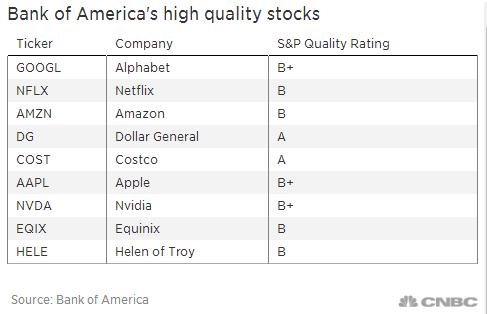
Moving Averages: These are calculated by taking the average price of a stock over a specific period and plotting it on a graph. They can help identify trends and potential buying or selling opportunities.
Bollinger Bands: This tool consists of a middle band (the 20-day moving average) and two outer bands (standard deviations away from the middle band). Bollinger Bands can help identify overbought or oversold conditions in the stock market.
Fundamental Analysis: This approach involves evaluating a company's financial statements, industry position, and management team to determine its intrinsic value. Key factors to consider include:
Earnings Per Share (EPS): EPS measures a company's profitability by dividing its net income by the number of outstanding shares.
Price-to-Earnings (P/E) Ratio: This ratio compares a company's stock price to its EPS and can indicate whether a stock is overvalued or undervalued.
Case Study: Apple Inc. (AAPL)
To illustrate the importance of stock price analysis, let's consider the case of Apple Inc. (AAPL). In early 2020, the company reported strong earnings and introduced new products, which led to a significant increase in its stock price. However, the COVID-19 pandemic and concerns about supply chain disruptions caused the stock to experience a temporary decline. As the situation improved, investors who had a good understanding of stock price dynamics were able to capitalize on the subsequent rebound.
In conclusion, mastering the art of investing stock price analysis is essential for success in the stock market. By understanding the factors that influence stock prices and employing various analysis techniques, you can make informed decisions and increase your chances of achieving financial success. Remember, investing in the stock market requires patience, discipline, and a willingness to learn.
together stock
last:Japan Breaks Us Stock Market: Understanding the Impact
next:nothing
likes stocks
- Japan Breaks Us Stock Market: Understanding the Impact
- HPE Ninja Online: Revolutionizing IT Support with Cutting-Edg
- Can I Buy Huawei Stock in the US? Everything You Need to Know
- Stocks That Fell Today: Understanding the Market Moves&qu
- NYSE Hours Tomorrow: What You Need to Know
- Unlocking Opportunities: Top US Electricity Demand Growth Sto
- MarketWatch vs Seeking Alpha: The Ultimate Battle for Stock M
- All Ticker Symbols: A Comprehensive Guide to Understanding St
- S&P vs Dow vs Nasdaq Chart: Unveiling the Performance
- Understanding the American Index: A Comprehensive Guide