you position:Home > us stock market live >
Jones Average Today: A Comprehensive Overview
date:2026-01-23 19:13author:myandytimeviewers(86)
Market Trend Indicator: The Jones Average is a reliable indicator of market trends. An upward trend suggests a positive market sentiment, while a downward trend indicates negative sentiment.
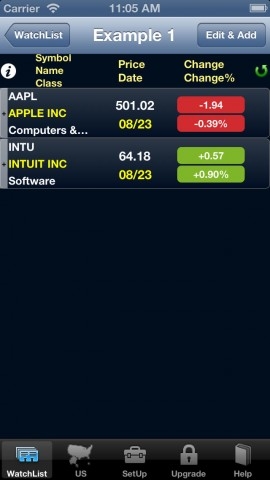
Investment Decisions: Investors use the Jones Average to make informed decisions about their portfolios. It helps them gauge the overall market performance and identify potential opportunities or risks.
Economic Health: The Jones Average reflects the economic health of the U.S. and the global economy. It provides insights into factors like GDP growth, consumer spending, and business investments.
Diversification: By analyzing the performance of the companies included in the Jones Average, investors can identify sectors that are performing well and allocate their investments accordingly.
Risk Management: The Jones Average helps investors assess the risk associated with their investments. A rising Jones Average indicates a lower risk, while a falling Jones Average suggests higher risk.
Market Timing: Investors can use the Jones Average to time their investments. For instance, they may wait for a market downturn before investing in a particular stock or sector.
In the ever-evolving landscape of financial markets, staying ahead of the curve is crucial. For investors and market analysts, keeping track of Jones Average is a vital practice. In this article, we delve into what Jones Average represents, its significance in today's market, and how it impacts investment decisions.
Understanding Jones Average
Jones Average, often referred to as the Dow Jones Industrial Average (DJIA), is a widely followed stock market index that tracks the performance of 30 large companies listed on the New York Stock Exchange (NYSE) and the NASDAQ. It serves as a bellwether for the overall health of the U.S. economy and is a key indicator of market trends.
Significance in Today's Market
In today's volatile market conditions, the Jones Average plays a crucial role in providing investors with a snapshot of market sentiment. Here's why it's so important:
Impact on Investment Decisions
Understanding the Jones Average can significantly impact investment decisions. Here's how:
Case Study: Jones Average and the 2020 Market Crash
The 2020 market crash serves as a prime example of how the Jones Average can impact investment decisions. In February 2020, the Jones Average plummeted due to the COVID-19 pandemic. Investors who monitored the Jones Average closely were able to identify the market downturn early and adjust their portfolios accordingly. Those who didn't faced significant losses.
Conclusion
The Jones Average remains a crucial tool for investors and market analysts. By understanding its significance and impact, investors can make informed decisions and navigate the complex world of financial markets with greater confidence. Keep an eye on the Jones Average and stay ahead of the curve.
us stock market live
likes stocks
- Tomorrow Market Is Open: Your Ultimate Guide to Shopping Tomo
- Fox Stock Market News: Stay Updated with the Latest Financial
- Unlock the Power of Live Trading: Your Ultimate Guide to Succ
- Chinese Stock List in the US: A Comprehensive Guide
- Best US Day Trading Stocks: Your Ultimate Guide to High-Poten
- Unveiling the US Model 1917 Stock: A Timeless Classic in Fire
- Can Indian Citizens Invest in the US Stock Market?"
- How Much Did Tech Stocks Drop in 2008 in the US?"
- Understanding the US Retail Stocks Landscape: Trends, Opportu
- Quantumscape US Lithium Stocks: A Game-Changing Investment Op